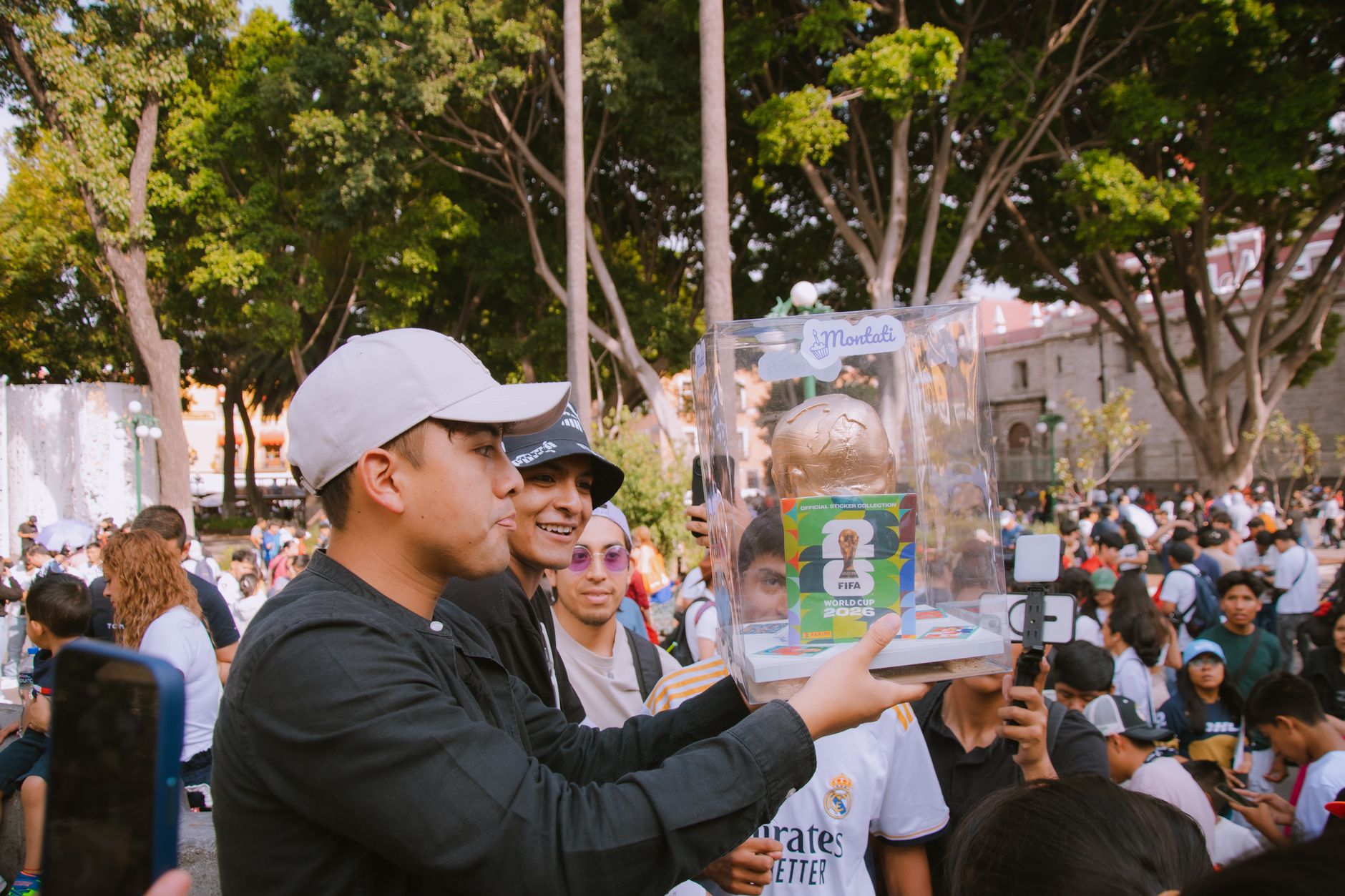
Cristo Fernández, the actor and El Paso Locomotive FC ambassador best known for his role as Dani Rojas on Ted Lasso, represented the Border City on one of soccer's biggest stages when he participated in the FIFA World Cup 2026 coin toss ceremony in Los Angeles. For a city that has spent years building its soccer identity from the ground up, having one of its own standing at the center of a World Cup moment is no small thing.
Fernández's connection to El Paso runs through Locomotive FC, the USL Championship club that has become the beating heart of soccer culture in the Paso del Norte region. His presence at a ceremony tied to a tournament that will be played across the United States, Canada and Mexico — with matches just a few hundred miles up the road in Dallas and Kansas City — puts El Paso in the same sentence as the sport's grandest occasion.
World Cup 2026 carries particular weight along the U.S.-Mexico border. El Paso sits at the intersection of two host nations, a city where Mexican and American soccer identities don't compete so much as they combine. Locomotive fans who pack Southwest University Park cheer for both the home side in gold and black and for national teams on both sides of the Rio Grande. A tournament that spans both countries will land here emotionally in ways it simply won't in cities without that dual allegiance.
Fernández's visibility matters beyond the celebrity dimension. Ted Lasso introduced millions of Americans to soccer through a fictional English club, but Fernández — a Mexican actor who trains seriously enough to make those scenes convincing — has used his platform to champion the sport in real communities. His association with Locomotive FC gave El Paso a cultural foothold in that conversation. Seeing him stand alongside World Cup organizers in Los Angeles extends that reach further.
El Paso doesn't host World Cup matches. The city won't appear in the tournament's official venue lists. But moments like this one — a Locomotive representative at a FIFA ceremony, a border city's soccer culture acknowledged on a national stage — are precisely how smaller markets build the kind of credibility that eventually brings larger investments and larger stages to their doorstep.
For Locomotive supporters who have watched their club fight for relevance in American soccer's crowded landscape, Fernández's appearance in Los Angeles is a quiet but meaningful signal: El Paso belongs in this conversation, and the world is beginning to notice.