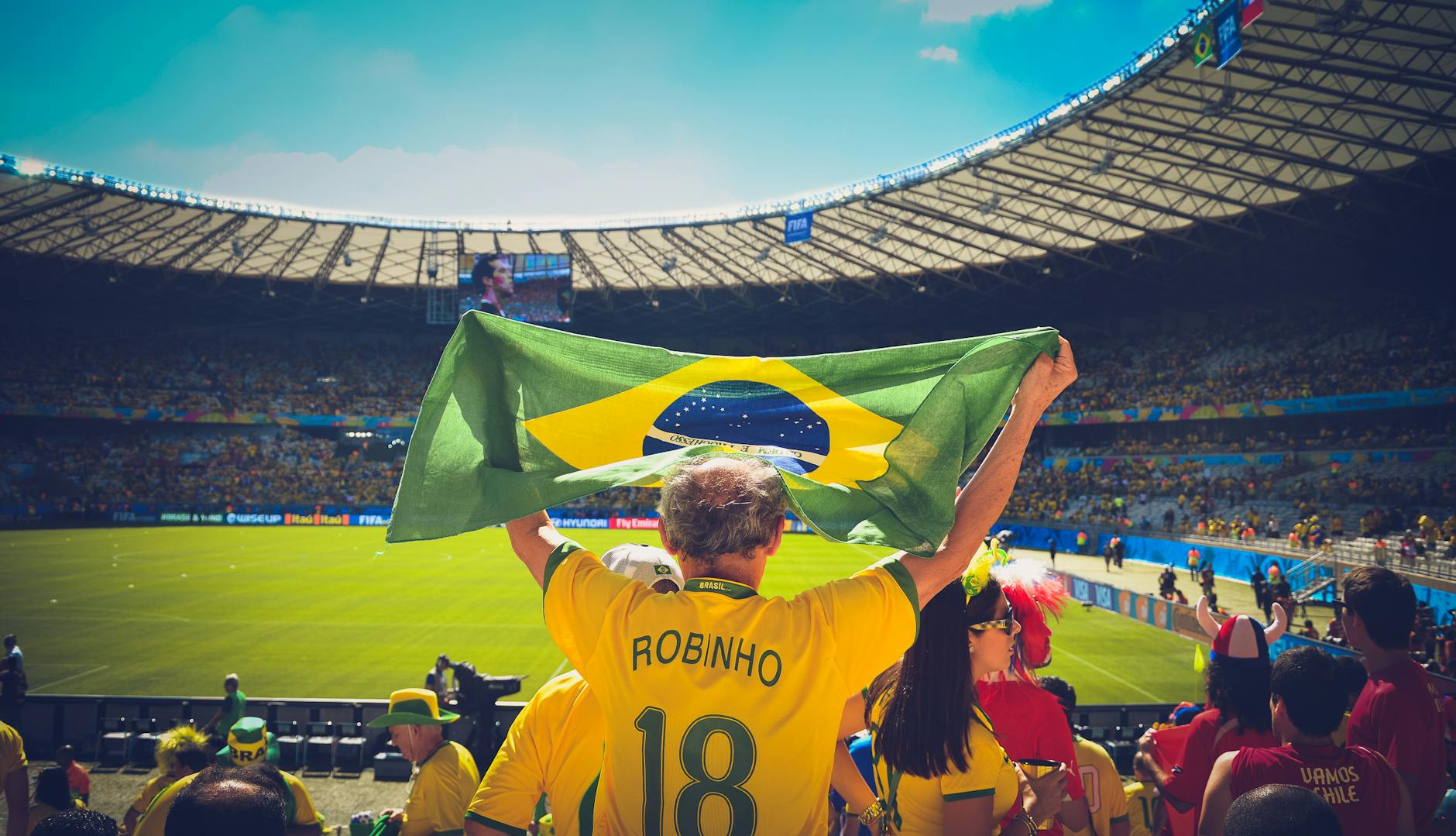
Forty-eight nations. Twenty-six players each. FIFA's expanded 2026 World Cup roster cycle is complete, and the sheer scale of this tournament — the largest men's World Cup in history — is beginning to crystallize into something real and tangible for fans across the host nation.
Every competing nation has now officially submitted its squad, marking the formal close of a selection process that stretched across continents and consumed the back pages of sports sections from Buenos Aires to Accra. The expanded 48-team field, introduced by FIFA as a structural overhaul of the tournament format, means more nations competing, more storylines colliding, and — critically for a border city like El Paso — more flags in the stands that mean something personal.
El Paso sits at the intersection of two soccer cultures that will both be represented when the tournament kicks off. Mexico and the United States each carry enormous weight in this competition, and in a city where allegiances run deep on both sides of the Rio Grande, the roster announcements carry an emotional charge that no purely domestic sporting event could replicate. Locomotive FC fans who pack up UTEP's Sun Bowl or pack into local bars to watch El Tri or the USMNT play are not casual observers — they are stakeholders.
The 26-man roster limit, standard across all 48 squads, gives each federation marginally more depth to work with than the previous 23-man format. For national team coaches, that means agonizing decisions pushed down the depth chart — final cuts that end careers and launch others. For clubs like El Paso Locomotive FC, which has long served as a proving ground for players with national team aspirations, the expanded rosters represent a wider door, even if the competition to walk through it remains fierce.
The tournament's co-hosting arrangement across the United States, Canada, and Mexico places several matches within driving distance of the Borderland. That geographic proximity transforms this World Cup from a television event into a pilgrimage that many in El Paso are already planning. Tickets, travel, and the particular pride of watching your national team play on soil you can reach by car — that is a combination this region has never experienced at this scale.
With all 48 rosters now official, attention shifts from selection drama to tactical preparation. Group stage draws, travel logistics, and the grinding pressure of actually performing in the tournament replace the anxious speculation of who made the cut. For El Paso's soccer community — built over decades through youth academies, Liga MX fandom, Locomotive seasons, and generations of players who grew up kicking balls in the desert heat — the 2026 World Cup is not arriving from somewhere far away. It is coming directly to them.