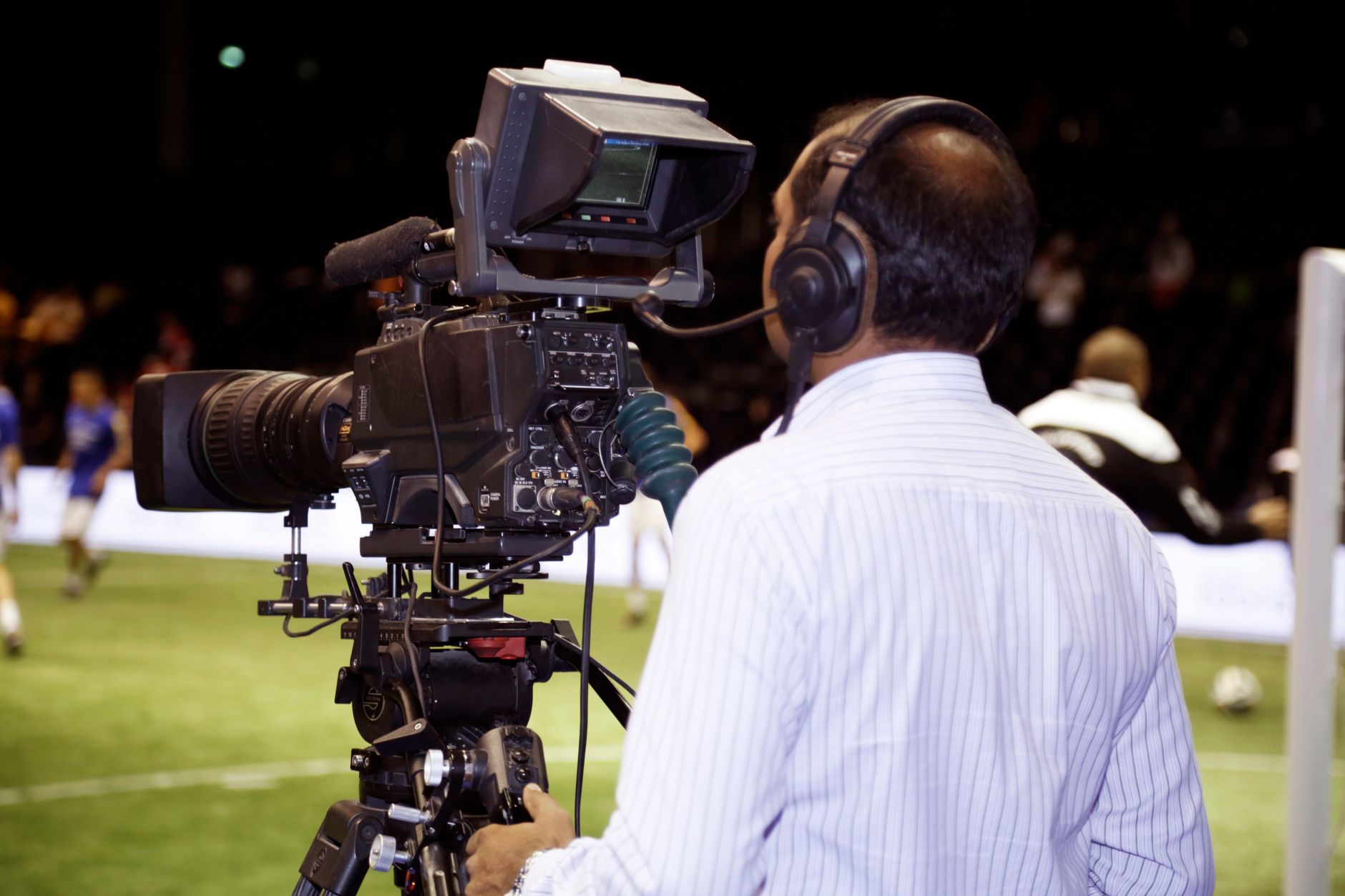
Major League Soccer and Apple are no strangers to bold moves — after all, the two are already tied together through a landmark broadcast deal that put every MLS match on Apple TV+. But this weekend, the partnership is pushing into genuinely uncharted territory: a professional soccer match shot entirely on an iPhone 17 Pro.
The game in question is Saturday's matchup between the LA Galaxy and the Houston Dynamo, and rather than relying on traditional broadcast cameras, Apple will use its latest flagship smartphone to capture the entire production. It's a first for professional American soccer, and likely a first for any major professional sports broadcast in the United States.
The question fans and industry observers are already asking is a fair one: Is this genuinely about improving the viewing experience, or is it mostly a slick advertisement for Apple's new hardware?
The Athletic, reporting for The New York Times, framed it bluntly — raising whether this is more about promotion than end product. It's a legitimate concern. Apple has billions of dollars riding on the iPhone 17 Pro, and a live, high-profile sporting event is one of the most compelling showcases imaginable for what a smartphone camera can do. The MLS-Apple TV+ deal, reportedly worth over $2.5 billion, makes the league a natural partner for exactly this kind of marketing crossover.
That said, dismissing it entirely as a stunt might be too hasty. Smartphone camera technology has advanced dramatically over the past several years, with cinematic video modes, advanced stabilization, and computational photography closing the gap with traditional broadcast equipment in meaningful ways. Whether an iPhone can hold up under the demands of a fast-paced, live professional soccer match — with sweeping wide shots, tight close-ups, and rapid ball movement — is a genuinely interesting technical question.
For MLS fans, this experiment carries real stakes. Apple TV+ is the exclusive home of MLS matches, meaning the quality of production directly affects how fans experience the game week in and week out. If the iPhone 17 Pro broadcast looks polished and immersive, it could signal a future where broadcast production becomes more flexible and accessible. If it looks shaky or flat compared to traditional cameras, it will be a talking point that follows the league all season.
There's also a broader cultural conversation here. Soccer is already the sport of the smartphone generation — globally followed, socially shared, and increasingly consumed on mobile screens. Apple and MLS are clearly aware of that overlap and are leaning into it hard.
Whether Saturday's Galaxy-Dynamo broadcast is a visionary step forward or an expensive tech demo, one thing is certain: people will be watching closely — and not just for the scoreline. This is one of those rare moments where the broadcast itself becomes the story, and the soccer world will be paying attention.