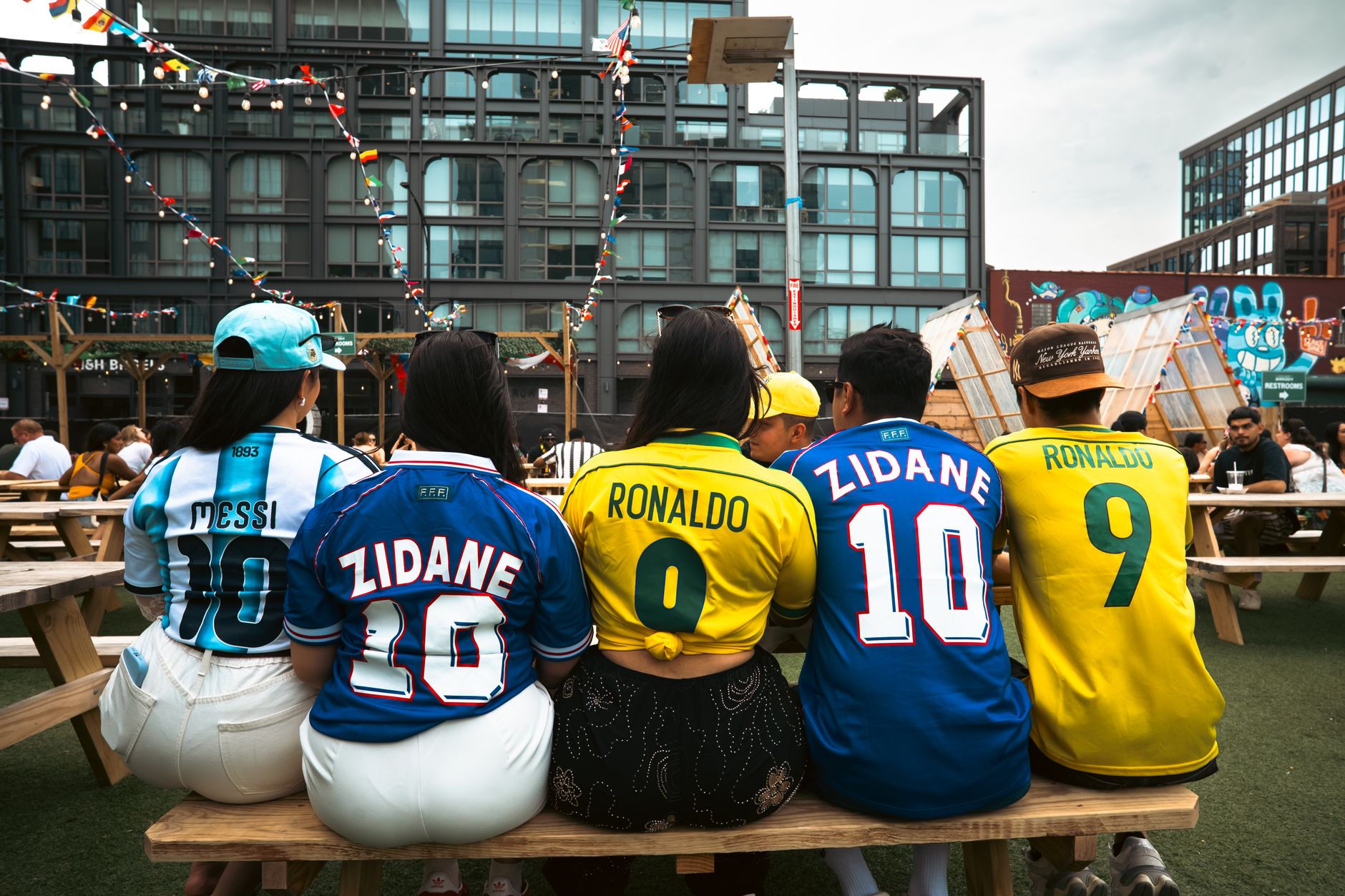
Cristiano Ronaldo and Lionel Messi are both talking about retirement. Not vaguely, not hypothetically — talking about it the way aging champions do when the end has moved from abstract to imminent. For a sport that has structured its entire global marketing apparatus around two men for the better part of two decades, that conversation carries consequences that extend far beyond either of their clubs.
For Major League Soccer, the implications are sharper and more immediate than anywhere else. Messi's arrival at Inter Miami in 2023 redrew the league's commercial map overnight. His presence inflated television ratings, drove record merchandise sales, and forced opposing front offices to reckon with a new competitive reality: when Messi plays, the game matters more. When Messi no longer plays, the league will need to have built something durable enough to survive his absence. The jury is still deliberating on whether it has.
Ronaldo, meanwhile, chose Saudi Arabia over MLS — a decision that still stings in league offices, whatever the public line — and his eventual retirement removes even the theoretical possibility of a late-career cameo that executives once quietly hoped for.
What makes the post-Messi-Ronaldo landscape so difficult to project is not simply the loss of two transcendent players. It is the structural question their careers expose. As MLSsoccer.com noted in its coverage, the fragmentation of global football — money and talent dispersed across more leagues, more markets, more platforms than ever before — may make it genuinely harder for any single player to accumulate the kind of universal visibility that Messi and Ronaldo achieved. The next Messi might be brilliant and largely invisible to half the world's audience, buried on a streaming platform behind a regional paywall.
Inside MLS, the competitive picture will shift. Inter Miami has built its playoff identity around Messi's ability to manufacture moments when the stakes are highest. The team's front office has added pieces, but no roster construction survives the departure of a generational talent unchanged. Other Eastern Conference contenders — the clubs that have watched Miami hoover up attention and resources — will recalibrate accordingly. The balance of power in the East, already unsettled, becomes genuinely open.
The western half of the league, less directly affected by Messi's gravitational pull, still feels the broader commercial drag. Sponsors, broadcast partners, and casual fans drawn in by the promise of watching history will require a different argument to stay engaged. That argument has to be the league itself — its depth, its drama, its American-ness — rather than borrowed luster from a visiting legend.
Leagues outlast their stars. MLS survived before Messi arrived and will survive after he leaves. But the sport's governing bodies, club executives, and broadcast partners have roughly one window to convert the audience Messi built into one that stays for the product. Whether they have used that window wisely will become clear the first full season he is gone.