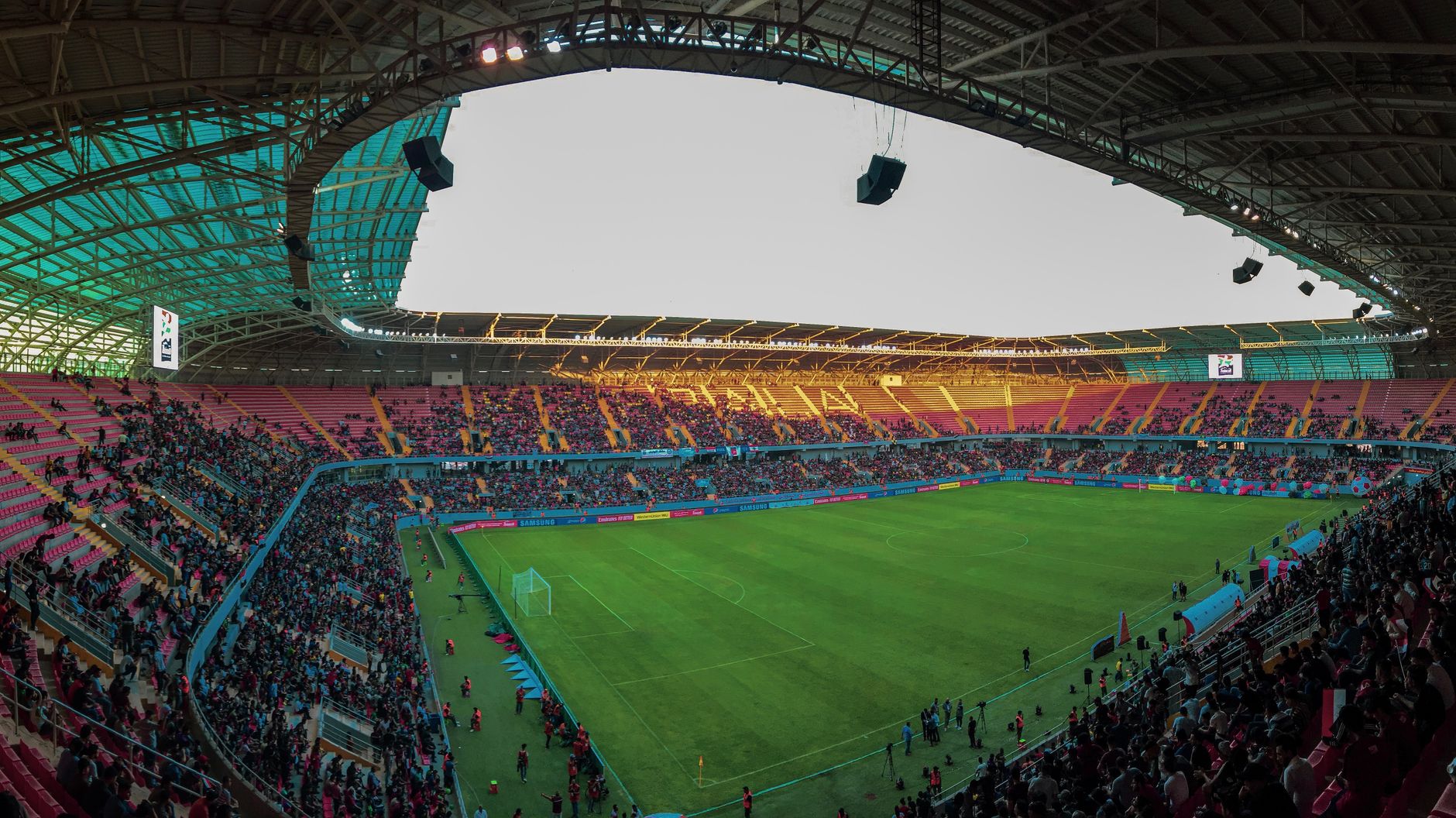
Dozens of MLS players are set to compete in the 2026 FIFA World Cup, a tournament being staged across the United States, Canada and Mexico — and for Major League Soccer, the stakes extend well beyond national pride.
With the World Cup running through the heart of the MLS regular season, clubs across the league face a genuine competitive disruption. Rosters will be stripped of key contributors for weeks at a time, and the timing means playoff positioning could hinge on how well teams absorb those absences. This is not an abstract concern. It is a scheduling reality that front offices have been war-gaming since the calendar was finalized.
The breadth of MLS representation at the tournament reflects how far the league has traveled in terms of global talent density. Players from across the Americas, Europe-based internationals who made the move stateside, and a growing core of American and Canadian players who have earned legitimate spots on competitive national squads — all of them now call MLS home during the club season.
For the USMNT, the World Cup arrives on home soil with enormous expectation attached. Several of the players in head coach Mauricio Pochettino's setup log their club minutes in MLS, and their tournament performances will carry outsized weight — both for the national program and for the franchises that employ them. A deep run by the United States could elevate the profiles of those players dramatically, influencing transfer windows and contract situations almost immediately.
Canadian and Mexican players on MLS rosters face a parallel dynamic. Canada, co-hosting the tournament, carries its own pressure. Mexico, navigating a transitional moment in its soccer identity, has leaned on Liga MX but counts MLS contributors in its pool as well. For clubs like CF Montréal, Toronto FC, New York Red Bulls and others with heavy international rosters, the World Cup window represents both a showcase and a potential wound in the standings.
The clubs most exposed are those built around a single creative engine or a goalkeeper who doubles as a national-team starter. Lose that player for a month during a tight conference race and the damage may not surface until October, when playoff seeding gets decided in a handful of games.
There is also the physical toll to consider. Players who advance deep into the knockout rounds will return to their clubs fatigued, compressed into a brutal schedule with no room for recovery. MLS clubs do not pause for the World Cup the way European leagues accommodate UEFA competitions. Games get played. Points get dropped. Seasons get decided.
What 2026 will ultimately reveal is whether MLS rosters are deep enough to sustain that kind of disruption — or whether the league's dependence on individual international talent remains its most exploitable structural weakness.