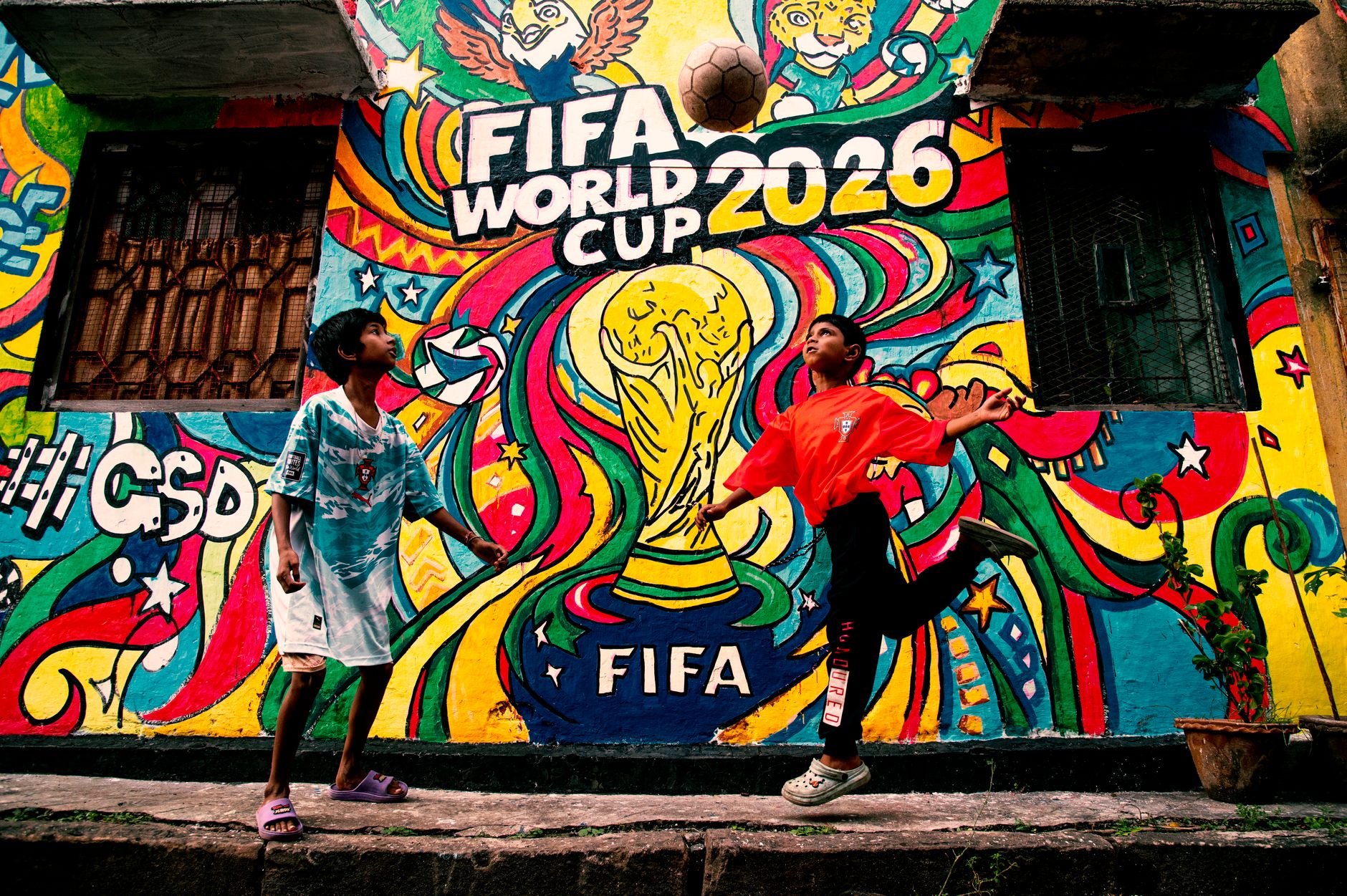
Spain may be constructing something that only comes along once a generation — a dynasty. And if World Cup 2026 was Lionel Messi's final appearance on that stage, the tournament served as both a coronation and a farewell wrapped inside the same breathless summer.
Those two storylines dominated the soccer conversation heading into Monday, and for good reason. Spain's blend of tactical sophistication and generational talent has produced a program that doesn't just win — it dictates. La Roja's performances throughout the World Cup cycle reinforced what observers have suspected for two years: this group isn't peaking. It's still ascending.
For MLS, the implications of Spain's rise are concrete and immediate. Inter Miami's entire competitive model — its global appeal, its sponsorship leverage, its ability to command attention in a crowded American sports market — runs directly through Messi. If the Argentine has played his last World Cup match, the question of what comes next for the 37-year-old and for the league's most-watched franchise becomes urgent. Miami's playoff positioning and roster construction in the seasons ahead hinge, in part, on how long Messi remains not just present but dominant.
Messi did not announce a retirement from international football. But the math is unforgiving. He would be 43 by the time the 2030 World Cup arrives. World Cup 2026, hosted across the United States, Canada and Mexico, offered him a stage few athletes ever get — a farewell tour in the country where he now plays club soccer, in stadiums packed with fans who have watched him transform MLS from a domestic curiosity into a global conversation. Whether he seized that moment or fell short, the tournament crystallized how irreplaceable he is to both Argentina and to American soccer's broader ambitions.
Spain's dynasty narrative carries its own MLS thread. Several players developed within the La Liga ecosystem have already found their way into American clubs, and a dominant Spain program — one that keeps producing technically refined, tactically versatile players — will only increase the pipeline of European talent that MLS teams target in transfer windows. A thriving Spain is good for the league's talent acquisition strategy, even if it complicates life for U.S. Soccer on the international stage.
What makes both stories compelling beyond the immediate headlines is the uncertainty they leave behind. Dynasties require confirmation across multiple cycles. And Messi's future — whether he returns to international duty, winds down quietly in South Florida, or shocks everyone with one final push — will shape the MLS narrative more than any single transaction or playoff result this season.
The summer asked two enormous questions. The answers, for better or worse, are still being written.