Mexico's soccer infrastructure is transforming fast — backed by serious capital, driven by surging viewership numbers, and pointed toward a Women's World Cup stage that the country's federation believes is no longer out of reach.
Liga MX has become the most-watched professional soccer league in the United States, a distinction that carries enormous commercial weight and reframes the competitive landscape for every league operating in North America, including the NWSL. The appetite for Mexican club soccer among American audiences is not a niche phenomenon. It is a mainstream one, and the money is following accordingly.
Investment into Mexican soccer — at both the club and national team level — has accelerated with that viewership reality as its foundation. Owners and sponsors operating in one of the world's largest soccer markets are not making sentimental bets. They are chasing a proven audience and a federation that has signaled genuine ambition for the women's game alongside the men's.
That ambition centers on the Mexican women's national team. The federation's stated goal of qualifying for and competing meaningfully at a future Women's World Cup represents a departure from years of chronic underinvestment in the women's program. The infrastructure improvements, the increase in professional opportunities domestically and the broader cultural shift around women's soccer in Mexico are all converging at a moment when the global women's game has never been more commercially valuable.
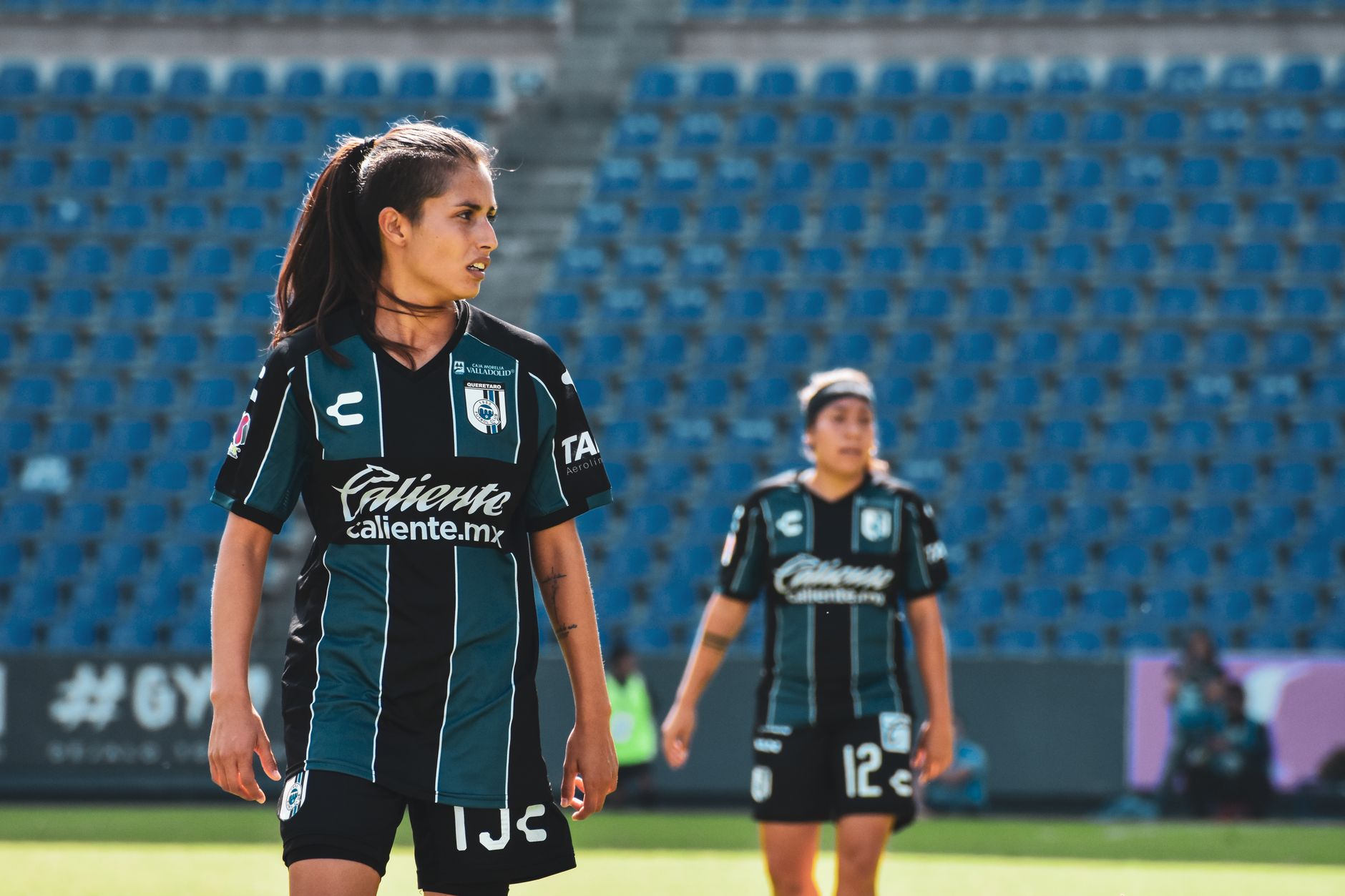
For the NWSL, the trajectory of Mexican women's soccer carries direct implications. Liga MX Femenil has grown into a legitimate pathway for players who might otherwise have sought opportunities in the United States. The league has its own stars, its own rivalries and an audience that is expanding season by season. Whether it ultimately competes with the NWSL for talent and attention or grows the overall pool of elite players available to both leagues remains one of the more consequential open questions in women's soccer right now.
What is not open to debate is the scale of what Mexico is attempting. A country that has long punched below its weight in the women's game — relative to its resources and its soccer culture — is now applying the lessons of Liga MX's commercial success to a women's program that has everything to gain and, for the first time in years, real institutional backing behind it.
Whether the Mexican women's national team can convert investment into World Cup results will define the next chapter of the country's broader soccer ambitions — and test whether infrastructure alone can close the gap on nations that have been building for decades.