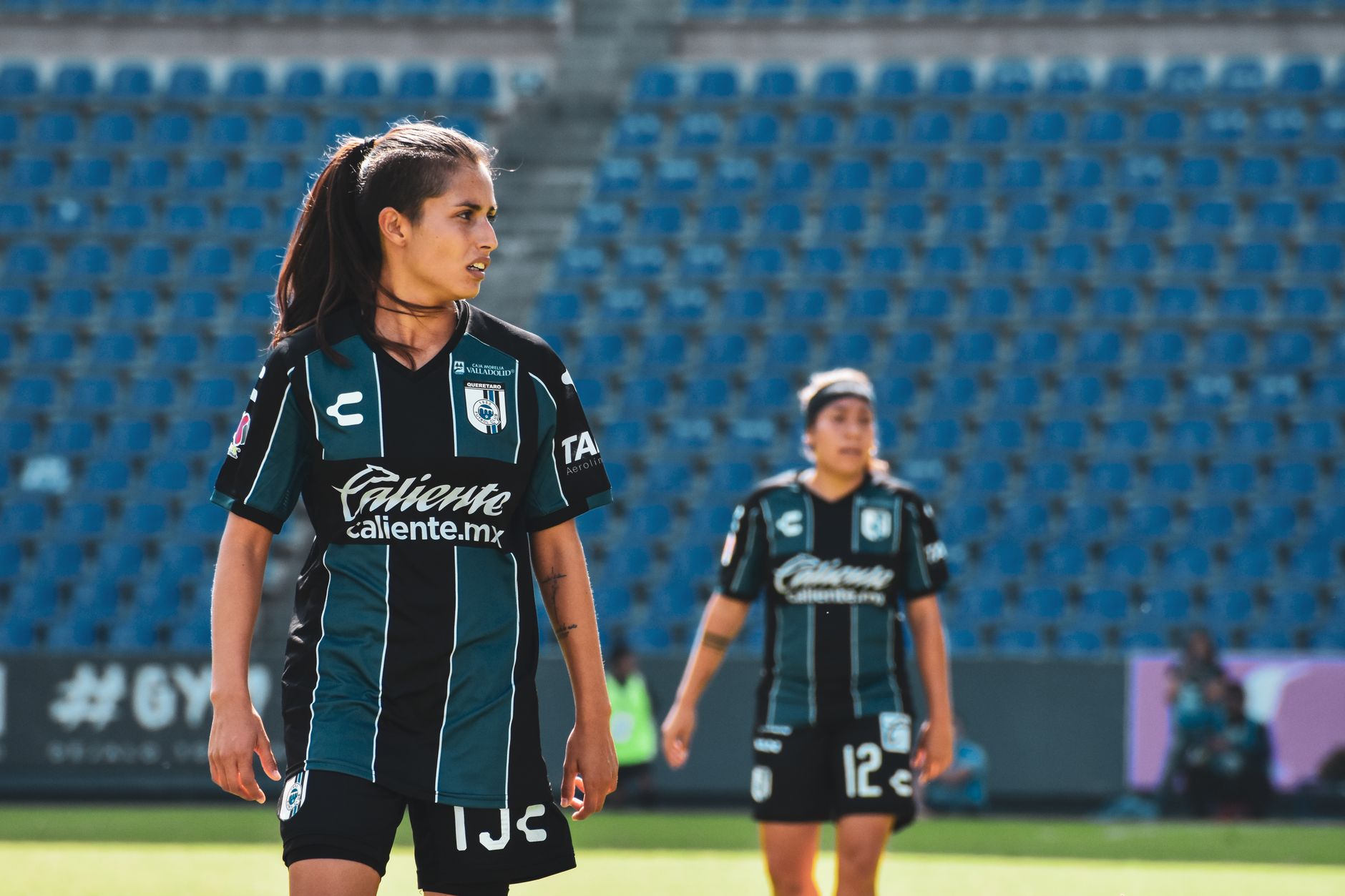
Mexico's women's soccer movement is no longer a passion project. Backed by surging investment and commanding the most-watched women's league audience in the country's history, Mexican women's soccer has entered a new era — one with a Women's World Cup berth squarely in its crosshairs.
For years, women's soccer in Mexico operated in the long shadow of Liga MX, the men's division that commands one of the most rabid fan bases in North America. That dynamic is shifting. Clubs are committing real money to their women's sides, and broadcast numbers have followed. The Liga MX Femenil has become the most-watched women's professional league in Mexican television history — a benchmark that would have been difficult to imagine even five years ago.
The investment angle matters because it is structural, not cosmetic. When clubs direct capital toward women's academies, coaching infrastructure and player contracts, the competitive quality rises on a timeline that matters. Mexico's national team has felt that lift. A generation of players now develops inside professional environments with genuine resources, and the downstream effect on the national program has been visible.
World Cup qualification remains the ultimate measuring stick. Mexico's women have historically struggled to break through in CONCACAF, where the United States and Canada have dominated for decades. But the competitive gap has narrowed, and Mexican football officials have stated openly that a World Cup appearance is the program's explicit target — not a distant aspiration, but an operational objective with a timeline attached.
That ambition lands in a broader context that makes it credible. Mexico, along with the United States and Canada, will co-host the men's 2026 World Cup, a tournament that will flood the country with infrastructure spending and global attention. The moment creates political and commercial pressure to invest in the full soccer ecosystem, and women's football is a direct beneficiary of that environment.
For the NWSL and American audiences watching closely, Mexico's trajectory is worth understanding on its own terms. A stronger Liga MX Femenil creates a more competitive regional landscape, raises the floor for CONCACAF competition and — critically — develops the kind of Mexican talent that increasingly makes its way into American professional soccer. The leagues do not exist in isolation. What grows in Mexico matters here, and right now, something real is growing.
Whether the investment holds, whether the viewership momentum survives its first down cycle, whether the national team can finally crack a World Cup field — those questions will define the decade ahead for Mexican women's soccer. The groundwork, for once, looks like it was built to last.