The 2026 FIFA World Cup was supposed to be a once-in-a-generation economic windfall for the United States. But new reporting from the New York Post is raising serious alarm bells — foreign soccer fans are increasingly ditching their plans to travel stateside, and that could threaten a projected $30 billion economic boom that cities across the country were counting on.
According to the report, a combination of factors is keeping international visitors away. Visa delays, concerns about how they would be treated by US immigration officials, soaring airfares, a strong US dollar, and broader geopolitical tensions have all contributed to a cooling of enthusiasm among foreign travelers. The hotel industry body AHLA highlighted these issues as key drivers behind the hesitation.
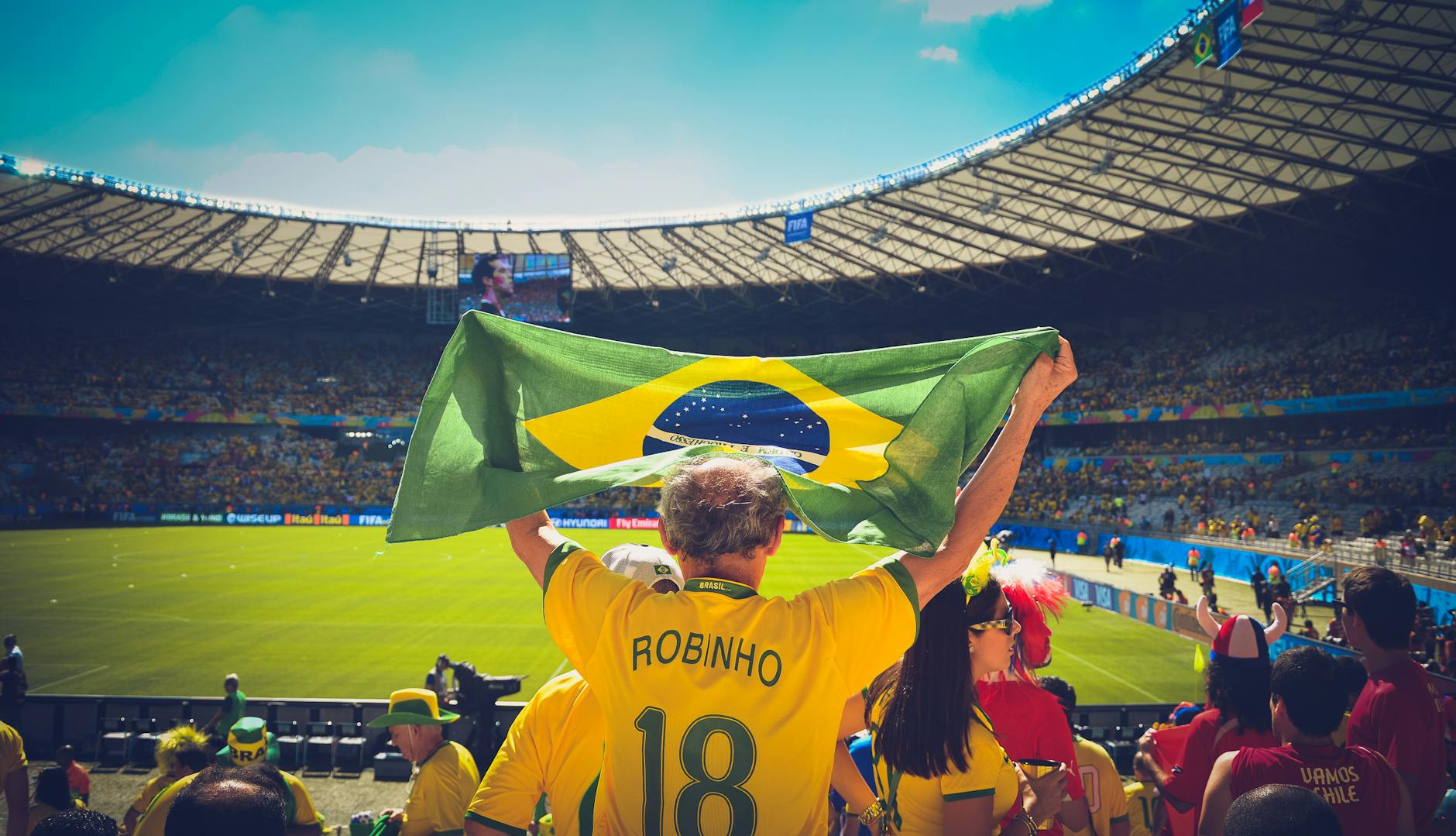
For American soccer fans, this is more than just an economic headline — it strikes at the heart of what makes a World Cup truly special. The tournament's magic lies in the cultural collision of fans from dozens of nations filling stadiums, city streets, and local restaurants with color, noise, and passion. A World Cup without a robust international crowd risks feeling like something less than the full experience.
The United States, Canada, and Mexico are co-hosting the 2026 edition, with matches spread across 16 host cities. The sheer scale of the event was always going to be an organizational challenge, but the logistical and political barriers now facing foreign visitors add a new layer of complexity that organizers will need to address urgently.
Visa processing times have long been a known headache for international travelers heading to the US, but the current climate has amplified those concerns significantly. For fans traveling from South America, Africa, Asia, and parts of Europe, the uncertainty around entry can be enough to make the financial risk feel simply not worth it. When you factor in the strength of the US dollar making the trip even more expensive once fans arrive, the math gets harder to justify.
The stakes are enormous. A $30 billion economic impact would ripple through host cities and beyond — filling hotels, restaurants, transportation networks, and retail businesses. If international attendance falls significantly short of projections, those downstream benefits shrink considerably.
FIFA and US Soccer have a narrow but real window to course-correct. Streamlining visa processes, launching targeted outreach campaigns in key soccer markets, and offering clear, reassuring messaging around visitor safety and treatment could help reverse the trend. But time is not on their side — the tournament kicks off in the summer of 2026, and travel planning decisions are being made right now.
For US soccer fans who have waited decades for their country to host the world's biggest sporting event, the hope is simple: that when the opening whistle blows, the stands are packed with the world's most passionate supporters. That outcome, it turns out, is no longer a given.