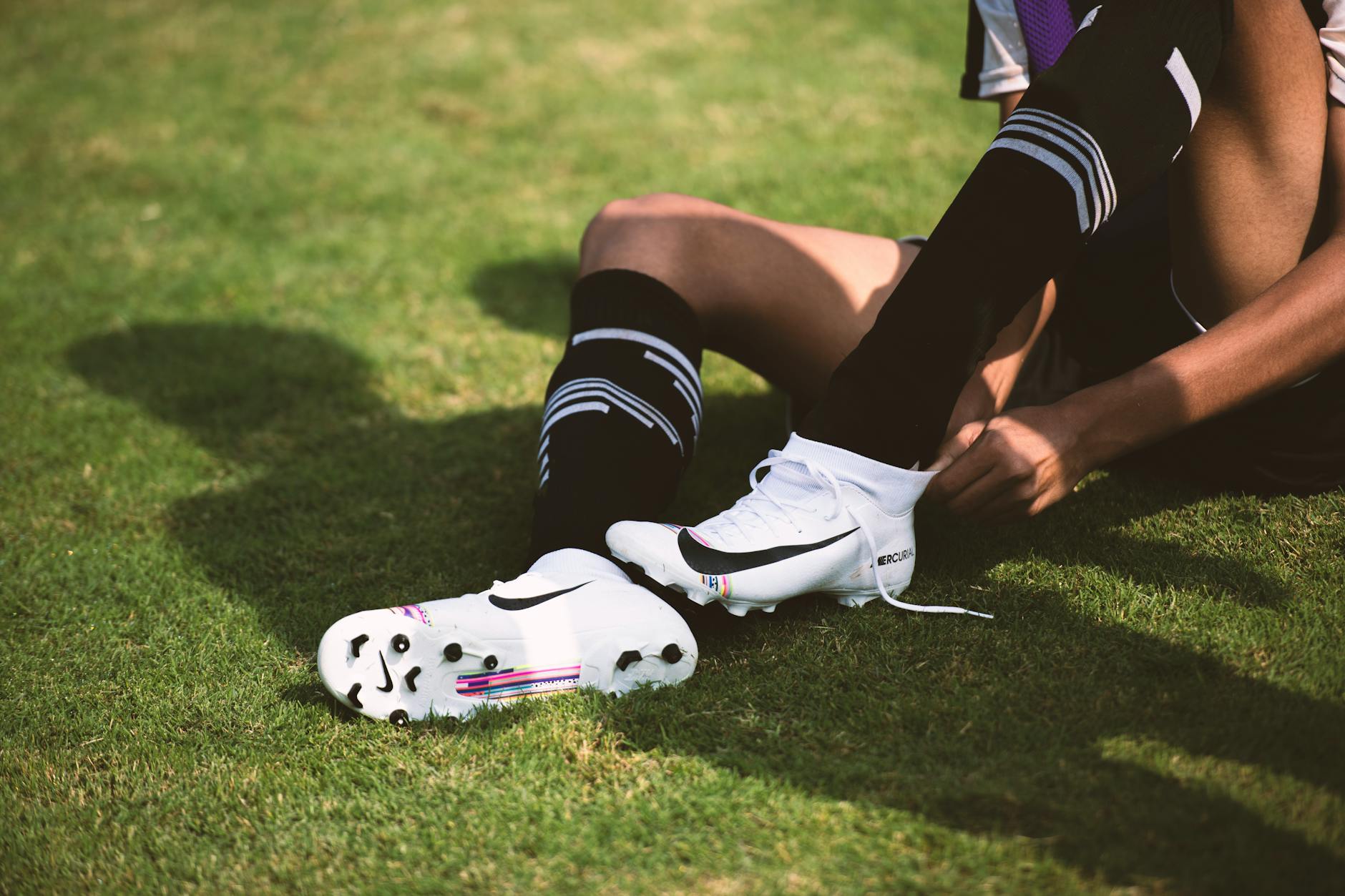
Michelle Cooper has a message for the NWSL, and it fits on a shoe box. The USWNT forward openly defied the league's Nike cleats policy this week, posting a blunt "Shop New Balance" directive that transformed a routine equipment rule into a public act of brand loyalty — and something closer to rebellion.
The NWSL holds a league-wide equipment agreement with Nike, which requires players to wear Nike cleats during matches. Cooper, apparently unbothered by that arrangement, made clear where her allegiances lie. The post was direct, unambiguous and impossible to read as accidental.
For a player at Cooper's level — a rising USWNT presence with the kind of profile that sponsors pay premium rates to reach — the move carries real weight. Athlete-brand relationships in women's soccer have grown increasingly sophisticated as the sport's commercial footprint expands, and Cooper's willingness to publicly contradict her league's apparel partner signals that some players are no longer content to subordinate their personal endorsement identities to collective league agreements.
New Balance has quietly built one of the more credible rosters in soccer sponsorship, signing high-profile players across the men's and women's game who tend to wear the brand not just on field but with genuine conviction. If Cooper is among them, her "Shop New Balance" post reads less like a stunt and more like a statement of allegiance — one she calculated was worth making out loud.
The implications stretch beyond footwear. The NWSL has invested heavily in professionalizing its operations, and uniform and equipment standards are part of that infrastructure. When a player with national team visibility flouts those standards openly, it creates pressure the league cannot simply ignore. Discipline, or the absence of it, will communicate something about how seriously the NWSL enforces its commercial partnerships — partnerships that underwrite the league's financial stability.
From a USWNT perspective, Cooper's moment in the spotlight here is complicated. The national team program operates under US Soccer's own apparel relationship with Nike, separate from the NWSL's framework, yet the optics of a prominent national team player publicly endorsing a competitor brand are not nothing. Federation staff and sponsors notice.
None of which is likely to keep Cooper up at night. She posted, she tagged, she moved on. The question now is whether the NWSL does the same — or whether this becomes a test case for how the league handles the growing tension between player autonomy and the commercial agreements that fund women's professional soccer's ambitions.